Most turf grass dubai purchases fail because buyers choose colour over physics. A villa owner planning a garden renovation faces immediate heat exposure. Synthetic grass absorbs solar radiation differently from natural soil, and surface temperatures above 70 degrees Celsius in direct summer sunlight ruin the wrong specification within months. The wrong pile height or infill can turn an outdoor space into an unusable thermal battery. The three critical specifications are pile height, yarn weight measured in dtex, and UV stabilisation rating. Getting these variables right prevents costly replacements and unsafe surfaces for children and pets. See also: compare Dubai landscaping quotes.
Contents
-
What specifications matter most for artificial grass in Dubai?
-
Which pile height works best for different areas of a Dubai villa garden?
-
How do different infill types affect artificial turf surface temperature in the UAE?
-
What yarn materials and dtex weights survive Dubai UV exposure?
-
How much does artificial grass supply and installation cost in Dubai?
-
What installation steps prevent drainage failure and heat buildup in Dubai gardens?
Key takeaways
-
Pile height determines how much plastic stands vertically to absorb heat.
-
Pile height affects how artificial grass performs under foot traffic and heat.
-
Infill accounts for up to 40 percent of an artificial grass system’s total heat absorption.
-
Polyethylene is the standard yarn material for artificial grass in Dubai because it balances softness with UV resistance.
-
Supply and installation of artificial grass in Dubai typically costs between AED 120 and AED 250 per square metre.
What specifications matter most for artificial grass in Dubai?
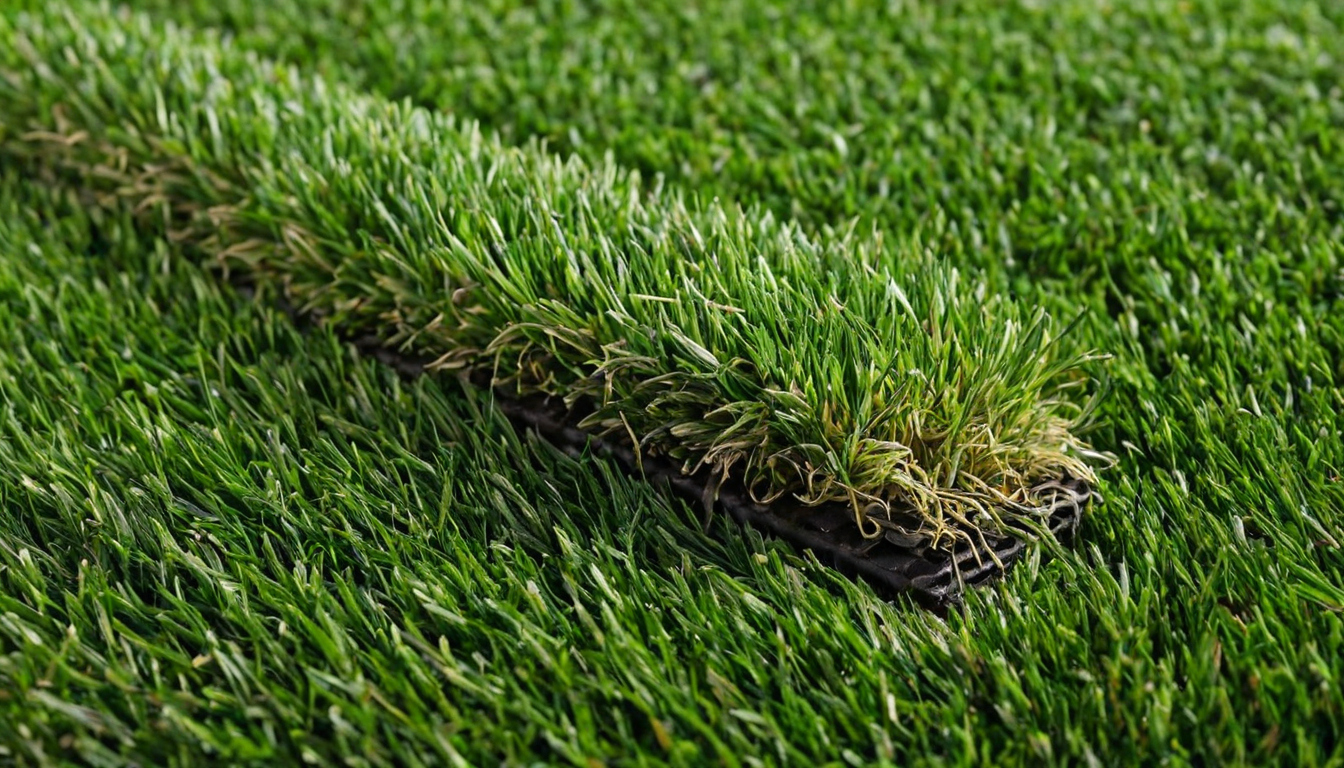
Pile height determines how much plastic stands vertically to absorb heat. Yarn weight, expressed in dtex, determines whether those blades stay upright or collapse flat against the backing after one season of foot traffic and thermal expansion. UV stabilisation separates synthetic grass that lasts two years from turf that survives eight. Darker green fibres trap more energy. Lighter shades reflect slightly more light but still reach dangerous temperatures by midday in July and August. Installers see this problem constantly when clients choose a sample under showroom lighting instead of judging terrace performance.
A higher dtex number means thicker individual fibres. Dubai suppliers typically stock artificial turf ranging from 8,000 to 14,000 dtex per square metre. Budget options fall below 9,000 dtex and flatten quickly under heavy use. Premium grades exceed 12,000 dtex and hold their structure longer.
The intense ultraviolet index across the UAE breaks down unprotected polyethylene chains rapidly. Reliable artificial grass dubai products carry a minimum UV warranty of five to eight years for Middle East installations. The additive is mixed directly into the polymer during extrusion, not sprayed on later.
What specifications matter most for artificial grass in Dubai.
-
Pile height: controls heat retention and drainage speed.
-
Dtex weight: measures fibre thickness and resistance to crushing.
-
UV warranty: confirms chemical protection against sun damage.
The next step is to match these numbers to specific zones around the property. Which pile height works best for different areas of a Dubai villa garden?
Which pile height works best for different areas of a Dubai villa garden?
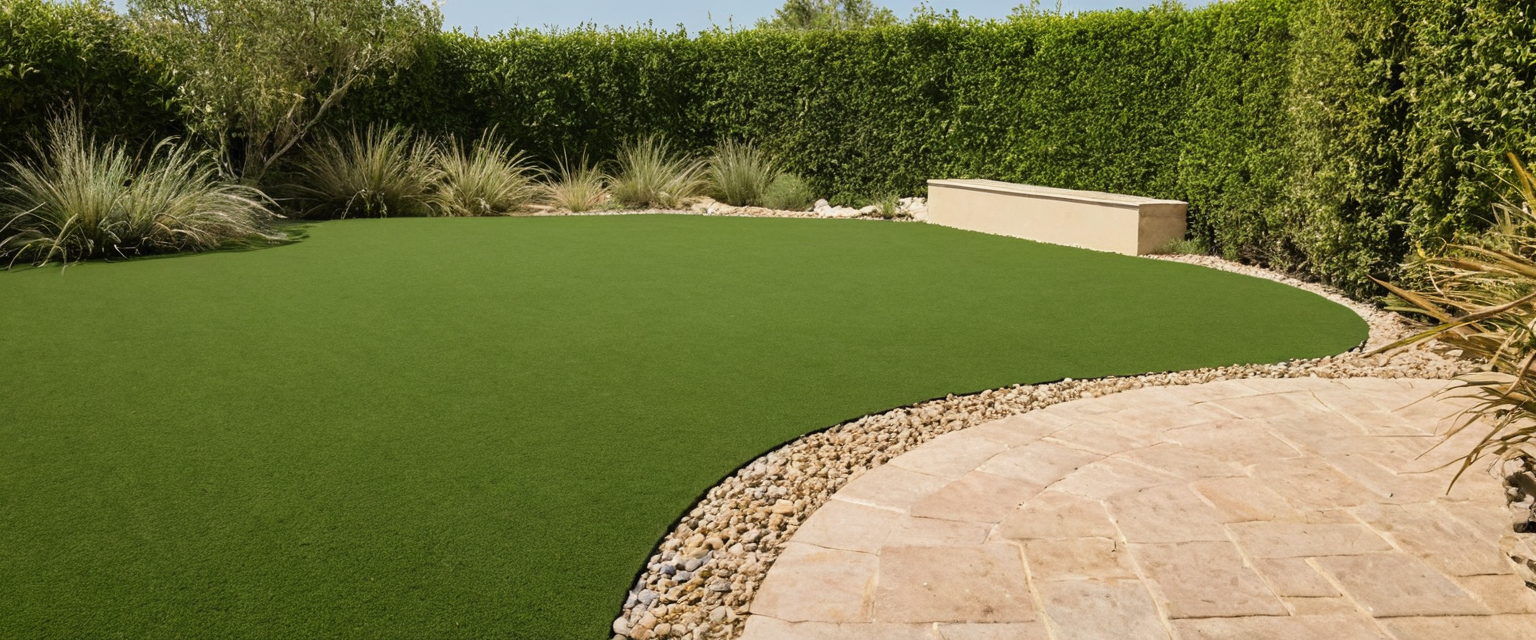
Pile height affects how artificial grass performs under foot traffic and heat. For Dubai villas, a 25mm to 30mm pile suits high traffic zones like pool decks and play areas. A 35mm to 40mm pile gives decorative lawns a softer look but traps more heat and requires heavier infill to keep blades upright.
One pile height for an entire property usually fails because pool surrounds, children’s play areas, and front courtyards face completely different physical demands. This checklist helps match turf to typical Dubai residential spaces:
-
Pool surrounds and wet areas: Use 25mm to 30mm pile. Shorter blades dry faster after splashing and resist matting from bare feet walking on wet surfaces.
-
Children’s play zones: Use 30mm pile with a shock pad underneath. This height balances impact absorption with enough density to stop sand infill from migrating into shoes.
-
Front gardens and decorative strips: Use 35mm to 40mm pile where foot traffic stays low. Taller fibres better mimic natural turf grass dubai installations but need more maintenance.
-
Pet runs and dog areas: Use 25mm pile. Shorter synthetic grass dubai turf prevents urine from pooling deep in the fibre bed and makes rinsing easier during summer months.
Infill depth rises with pile height. A 25mm turf needs roughly 6kg to 8kg of silica sand per square metre to anchor the backing. A 40mm turf requires 10kg to 14kg per square metre to stop the longer blades from bending flat under direct sunlight. With too little infill, tall fibres face faster UV degradation.
Bare feet touch pool decks constantly. Villa owners prioritise lower surface temperatures here over a lush appearance. Darker green or olive yarn colours absorb more heat than lighter shades. Combining a light colour with a 25mm height gives the safest surface for children running between the water and the patio.
Drainage speed matters just as much around swimming pools. Pool deck artificial turf must clear standing water quickly to prevent slipping. Quality 25mm products offer drainage rates exceeding 60 litres per square metre per minute through perforated polyurethane or latex backings. Taller piles slow this flow because water travels further down the fibre shaft before reaching the backing holes.
Which pile height works best for different areas of a Dubai villa garden.
Dust builds up deep in taller piles. Fine desert sand settles between 40mm fibres and mats them down over weeks. Villa owners must brush these areas with a stiff bristle broom or mechanical sweeper every two to three weeks during dusty seasons. Neglecting this schedule flattens the blades permanently.
Appearance drives this choice. Taller artificial turf dubai looks closer to natural landscaping when viewed from upper floors or through large glass doors. The trade-off is always thermal performance and maintenance effort. Planning the garden means accepting that compromise rather than expecting one product to handle everything. Once each zone has the right pile height, the material packed between the fibres becomes the next factor controlling surface temperature. Understanding how different infill types affect artificial turf surface temperature in the UAE determines whether the chosen pile height actually performs as expected.
How do different infill types affect artificial turf surface temperature in the UAE?
Infill accounts for up to 40 percent of an artificial grass system’s total heat absorption. Standard silica sand retains maximum heat. Coated sand and organic infills like zeolite or cork reduce surface temperatures by 10 to 15 degrees Celsius compared to bare silica. For Dubai summers, cooling infill is not optional. It is a safety requirement.
Silica sand costs less per square metre but turns synthetic grass dubai into a thermal battery. On a July afternoon with ambient air at 48 degrees Celsius, silica-filled turf easily exceeds 70 degrees Celsius on the surface. That temperature burns bare feet within seconds. Installers who quote the cheapest infill leave villa owners with unusable gardens from May through September.
Cooling infills work in two ways. Some materials reflect more solar radiation because of their lighter colour or specialised coatings. Others absorb water and release it slowly, creating an evaporative cooling effect. Both methods lower the peak surface temperature of artificial turf dubai installations.
-
Silica sand: lowest material cost, highest heat retention, no cooling properties.
-
Zeolite granules: moderate cost, high water retention, active evaporative cooling.
-
Cork granules: higher cost, natural insulation, low UV degradation.
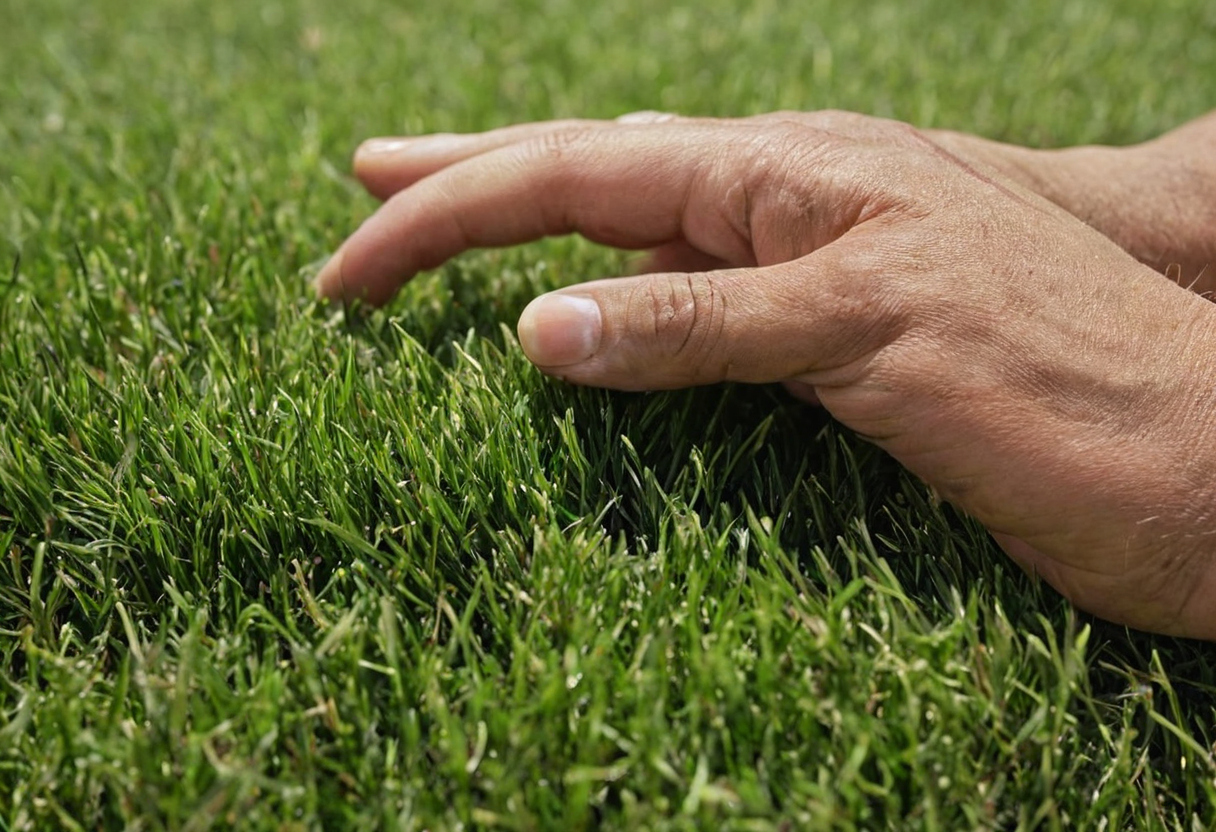
Evaporation drives the cooling process. As stored water releases slowly under direct UAE sunlight, it pulls heat away from the yarn fibres and backing. In typical Dubai conditions, a hydrated zeolite infill keeps the turf surface 10 to 15 degrees Celsius cooler than identical grass filled with dry silica sand. The cooling effect lasts several hours after a brief morning rinse.
How do different infill types affect artificial turf surface temperature in the UAE.
Water retention requires upkeep. Zeolite dries out completely during extended periods without irrigation. Once the pores empty, the cooling benefit drops significantly until the next watering. Villa owners must plan for regular light sprinkling to keep the evaporation cycle active. Dust from frequent shamal winds can also clog the pores over time, requiring periodic brushing and rinsing to maintain performance.
Coated infills cost more to install than basic silica. Expect to pay an additional AED 15 to AED 35 per square metre for supply and installation of TPE or acrylic systems across a standard villa garden. The premium removes the need for daily watering. Coated infills perform consistently whether the turf is wet or completely dry.
Lifespan depends directly on UV stabilisation quality. Cheap acrylic coatings crack and flake after two or three seasons of intense Middle Eastern sun exposure. Degraded coating exposes the dark sand core beneath, which then absorbs even more heat than uncoated silica. High-quality TPE granules resist UV breakdown for seven to ten years when paired with properly stabilised yarn.
Villa owners choosing coated infills should request manufacturer data sheets confirming UV resistance ratings specific to Gulf climates. Generic European warranties rarely account for the cumulative radiation index found in the Emirates. The right infill solves only half the heat equation. The yarn fibres face the same radiation every day, raising a further question: what yarn materials and dtex weights survive Dubai UV exposure?
What yarn materials and dtex weights survive Dubai UV exposure?
Polyethylene is the standard yarn material for artificial grass in Dubai because it balances softness with UV resistance. Polypropylene degrades too fast under intense Gulf sunlight. Yarn weight, measured in dtex, indicates durability. Residential Dubai installations require a minimum of 8000 dtex to prevent flattening from foot traffic and thermal expansion over five years.
Installers see polypropylene blades fade and become brittle within two to three summers when exposed to continuous 45 degree Celsius ambient heat. Polyethylene holds its colour and flexibility for much longer. Most turf manufacturers supplying the Middle East market offer UV warranties between eight and fifteen years on polyethylene products. These warranties cover colour retention under direct sun. They do not cover mechanical wear from heavy furniture or sharp objects.
Dtex measures the weight in grams of 10,000 metres of yarn. A higher number means a thicker blade. Thicker blades stand up straighter after people walk on them. They also resist the daily heating and cooling cycle that stresses plastic fibres in the UAE climate.
Yarn shape matters alongside weight. Flat blades look natural but flatten faster. Diamond shaped or C shaped profiles hold their structure better under load. An installer will match the profile to the expected traffic.
Choosing the right yarn material and weight protects your investment from rapid degradation. For any villa owner planning a garden project, the next question is budget: how much does artificial grass supply and installation cost in Dubai?
How much does artificial grass supply and installation cost in Dubai?
Supply and installation of artificial grass in Dubai typically costs between AED 120 and AED 250 per square metre. Budget options use lower dtex yarn and basic silica infill. Premium installations include cooling infill, higher density stitching, and extended UV warranties. Always request a breakdown separating turf cost, base preparation, and infill type.
Sub base preparation adds AED 30 to AED 60 per square metre. Contractors remove topsoil, lay compacted aggregate, and grade the surface for drainage. Skipping this step causes uneven settling under heavy summer rain.
Infill selection changes the final price significantly. Standard silica sand keeps costs low. Switching to zeolite or coated cooling infill adds AED 15 to AED 40 per square metre. This extra spend lowers surface temperatures on bare feet during July afternoons.
Villa owners should separate material grades from labour charges before signing any agreement. Use this guide to compare Dubai landscaping quotes across different contractors. Accurate pricing depends entirely on correct site preparation.
A cheap installation fails quickly if water pools beneath the backing. The next section covers the installation steps that prevent drainage failure and heat buildup in Dubai gardens.
What installation steps prevent drainage failure and heat buildup in Dubai gardens?
Proper installation prevents water pooling and extends turf life in the UAE climate. The base requires a compacted aggregate layer with a minimum 1 percent slope away from the villa foundation. Permeable backing is mandatory. Without adequate drainage, trapped moisture under the turf increases humidity, accelerates backing degradation, and creates odour problems near pet areas.
Installers follow a strict checklist to avoid these failures on Dubai villa sites:
Trapped moisture degrades building materials if not controlled through proper drainage and ventilation, as noted by the U.S. Environmental Protection Agency. The same principle applies to impermeable landscape coverings. Sand and dust accumulate rapidly in Dubai, clogging poorly prepared bases within months. A correctly compacted and sloped sub base channels winter rain and daily irrigation runoff away from the villa walls.
Villa owners should verify the sub base depth, slope direction, and backing permeability rating before approving any artificial grass installation quote. Asking for these three measurements in writing shifts the planning process from guessing about turf colour to confirming structural readiness.
For more on this topic, see other guides on this site.